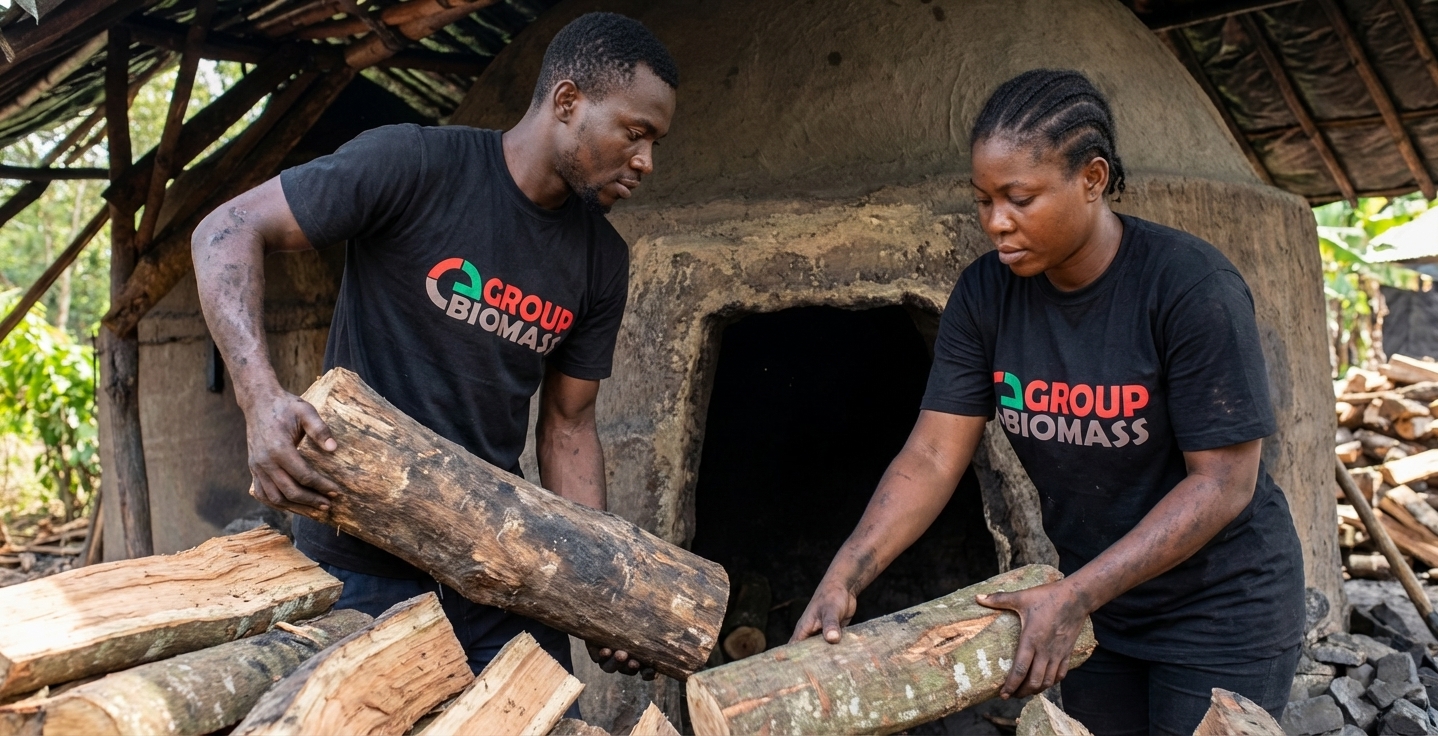
Even though mounting fears about forest loss, Cameroon has a significant charcoal industry, fueled by requirement from across the country. A recent examination shows the scale of this business, highlighting on what Cameroon’s single charcoal factory in the region. The facility offers work to thousands for workers and creates massive volumes of carbonized wood daily, mainly aimed for regional application, but with rising exports internationally. This poses essential questions about sustainability and the ongoing woodland resources.
Natural Briquette Charcoal Export Boom: The Increasing International Reach
Cameroon is rapidly establishing itself as a key player in the international carbon market, experiencing a significant surge in natural lump charcoal exports. Driven by increasing demand from international barbecue enthusiasts and industrial users seeking a cleaner alternative to traditional fuel, the country's abundant timber resources are being sustainably harvested and processed for export. This burgeoning industry presents a considerable potential for trade growth within Cameroon, though careful oversight of wood practices remains crucial to ensure long-term sustainability. The situation is leading to:
- Increased job opportunities in rural areas
- Improved logistics in exporting regions
- A growing awareness of Cameroon’s dedication to sustainable sourcing
Observers predict this trend will persist as demand for superior lump fuel continues its upward course.
Inside Cameroon's Premier Hardwood Lump Charcoal Factory
Step through the gates of Cameroon’s principal hardwood check here lump charcoal plant, a impressive operation dedicated to creating high-quality briquettes from locally sourced trees. The process begins with the careful selection of wood, primarily harvested from managed woodlands. You'll observe a group of skilled artisans employing age-old techniques and advanced equipment to convert raw material into superior lump charcoal, intended for export and local use. Discover the obstacles and achievements of this vital business in Cameroon.
This Wood-Fuel Industry: Fueling Export Demand and Community Requirements
Cameroon's charcoal industry represents a complex situation, balancing growing export demand with essential local fueling needs. Considerable quantities of wood-fuel are sent abroad, particularly to European countries, generating valuable foreign income for the state. However, this outward-focused system contributes to deforestation and poses significant pressure on local wood resources, affecting livelihoods and sustainable development initiatives. Establishing a responsible path that meets both global demand and ensures access to affordable energy for Cameroonians remains a major challenge for authorities and involved parties.
La Choix Difficile: Lump Charcoal de Lump Dur et Briquettes de Charbon: Une Perspective Camerounaise Cameroun
En le Cameroun, le choix entre le charbon de bois dur et les briquettes de charbon est souvent un dilemme. Historiquement, un charbon de bois dur, issu de l’arbre local, offre une arôme distincte et une goût imprégnée de nos terroirs. Néanmoins, il chauffe bien rapidement et est paraître plus laborieux à maîtriser pour un incendie parfait. Les briquettes, en ce qui concerne à elles, sont plus faciles à manipuler, durent plus longtemps et produisent moins de fumerolle, pourtant soient dépourvues de cette touche authentique.
Releasing Cameroon’s Potential : The Hardwood Solid Fuel Advantage
Cameroon has vast forests, a asset that, when sustainably managed, can drive significant economic expansion. Specifically, shifting towards the production of premium hardwood lump fuel presents a tangible pathway for producing earnings and employment chances. The global demand for this kind of fuel, particularly within the grilling and industrial sectors, is robust, offering a lucrative arena for Cameroonian suppliers able to satisfy global standards and embrace responsible methods.